
Security Glass for Windows: A Complete Guide for Homes and Businesses
Windows bring natural light, visibility, and curb appeal to a property, but they can also be vulnerable points when ordinary glass is used in the wrong application. Security glass for windows is designed to improve resistance to impact, breakage, forced entry, or other defined threats while preserving the transparency people expect from modern glazing.
For property owners, managers, contractors, and developers in Greater Portland, the right solution depends on the glazing, frame, opening, security goal, energy needs, and applicable requirements. This guide explains the main options, costs, and installation considerations.
What Is Security Glass for Windows?
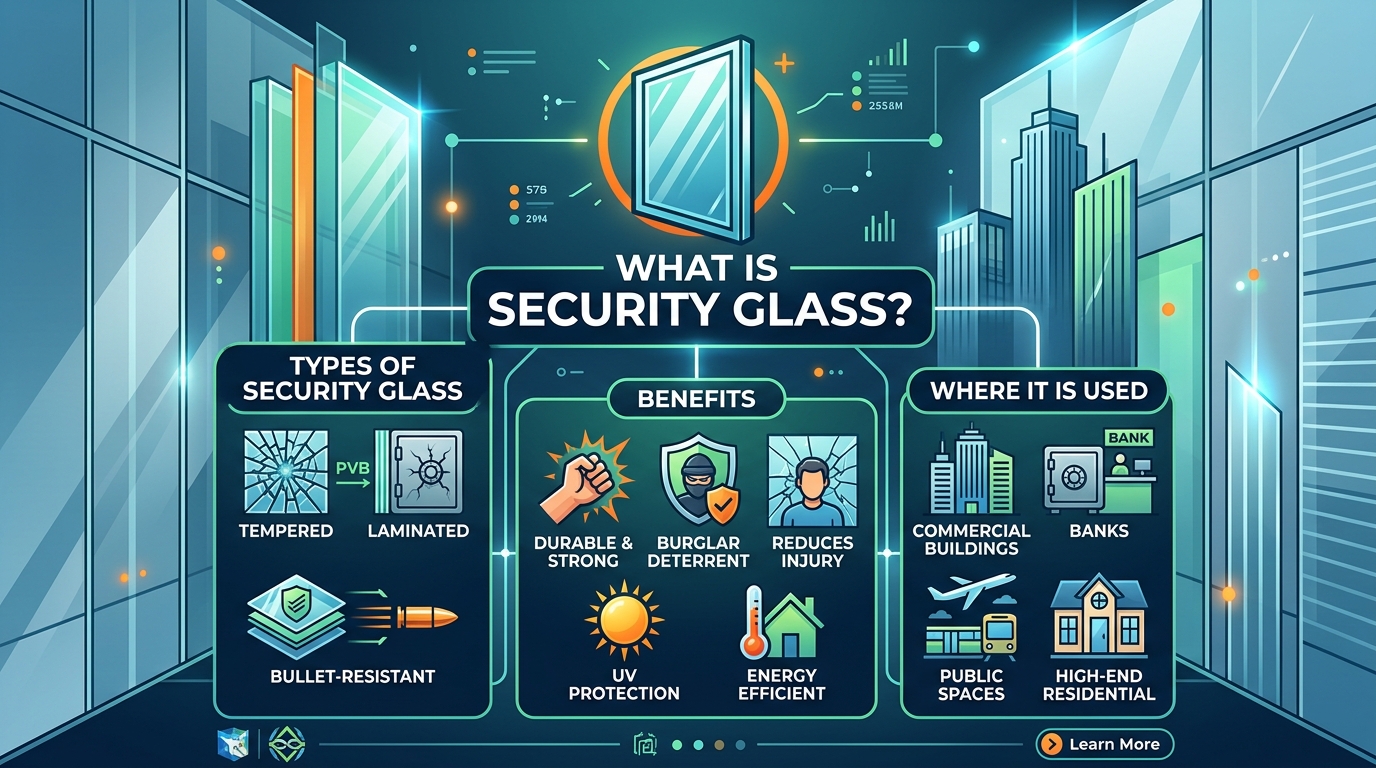
Security glass for windows is a broad term for glazing designed to provide greater protective performance than ordinary annealed glass. There is no single “security glass” product for every application. A residential window intended to slow opportunistic entry may need a very different assembly from a storefront designed around forced-entry resistance or a specialized facility with ballistic or blast requirements.
The National Glass Association recommends defining the asset, threat, vulnerability, and desired protection level before selecting security glazing. ASTM security-glazing tests also evaluate products against specific threats rather than promising absolute prevention. [1][2] A strong pane in a weak frame can still leave an opening vulnerable, so security should be considered as a system.
Safety Glass vs. Security Glass: What Is the Difference?
Safety glass is designed primarily to reduce the risk of serious injury when glass is broken. Security glazing focuses on resisting penetration, delaying entry, retaining broken glass, or meeting another defined protective objective.
The National Glass Association describes safety glass as fully tempered or laminated glass that complies with recognized safety-glazing requirements. Portland also requires tested and labeled safety glazing in certain hazardous locations, including some windows near doors, walking surfaces, stairs, and bathing areas. Confirm current requirements for each project before ordering glass. [3][4]
Main Types of Security Glass
1. Laminated Glass Windows
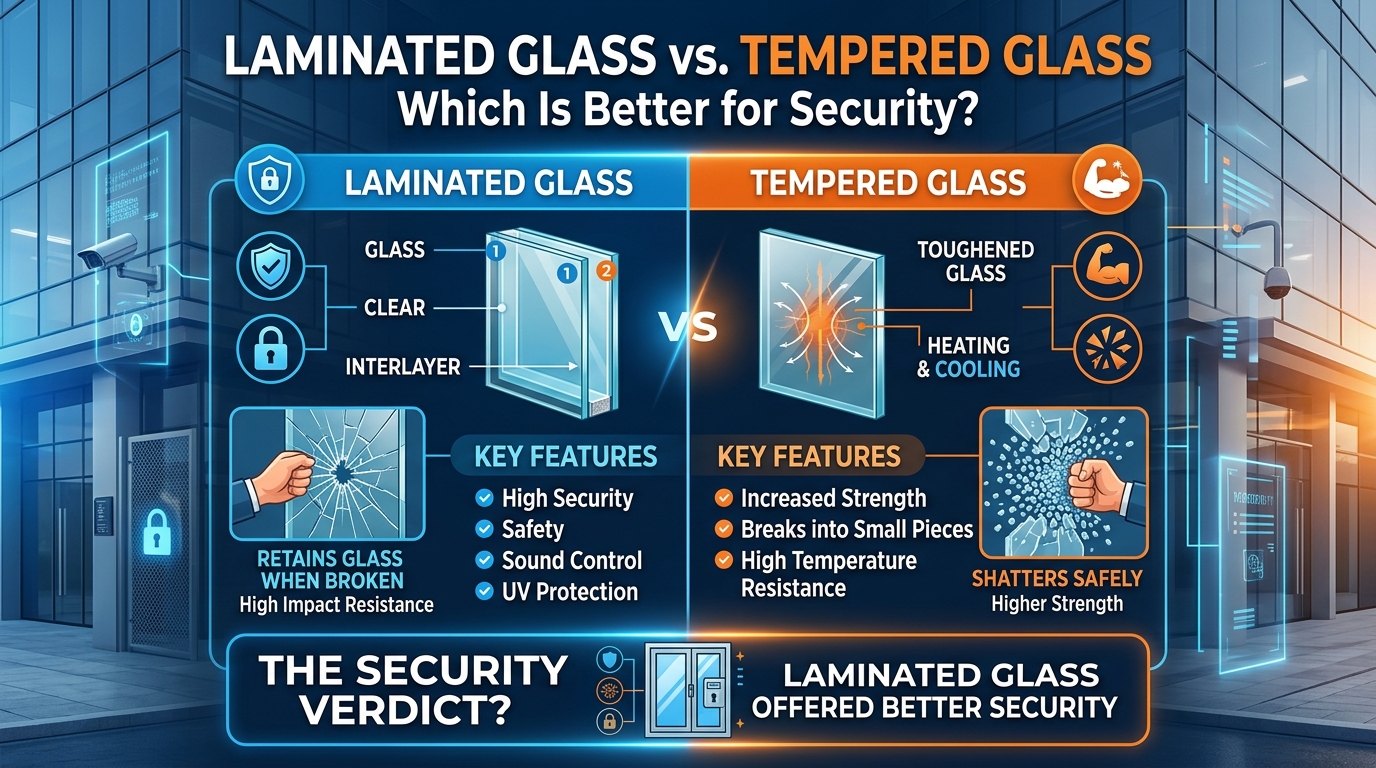
Laminated glass is made from multiple layers bonded together with an interlayer. When the glass cracks, the interlayer can help retain fragments and keep the damaged pane together rather than allowing the opening to clear immediately.
Laminated glass windows are commonly considered when breakage retention and delayed penetration are priorities. Laminated constructions can also be designed for sound reduction, UV protection, solar control, blast, ballistic, or physical-attack resistance, depending on the tested system. [5]
2. Tempered Glass Windows
Tempered glass is heat-treated so that, when it breaks, it fractures into relatively small granular pieces instead of large sharp shards. This makes tempered glass windows valuable for safety glazing applications.
However, standard tempered glass can lose the integrity of the opening after breakage, so it is not automatically the best choice when delaying forced entry is the main goal. It can still be used within laminated or insulating glass designs.
3. Impact Resistant Glass
Impact resistant glass can mean different things. Windborne debris, accidental human impact, forced entry, ballistic attack, and blast loading are separate performance categories, so buyers should ask what the product was actually tested to resist.
This is important because a glass product intended for one type of impact should not automatically be assumed suitable for another security threat.
4. Security Glazing Composites
Higher-security applications may combine glass, interlayers, polycarbonate, acrylic, or other transparent materials. For higher-risk projects, the assembly may need documented testing for forced entry, ballistics, or another specified threat.
ASTM F1233 provides procedures for comparing systems against defined attack types and warns against treating test results as proof of absolute prevention. [2]
5. Security Window Film
Security film is not the same as laminated security glazing, but it can be considered for some retrofits. Performance depends on the film, attachment system, existing glass, frame, and installation.
FEMA guidance has discussed professionally installed fragment-retention film for reducing hazardous fragmentation in certain applications. [6]
What Is the Best Security Glass for Windows?
The best security glass for windows matches the actual risk, opening, and building requirements. No single specification is ideal for every house, storefront, office, school, or mixed-use property.
Consider these major factors:
- Security objective
- Accidental impact safety
- Burglary deterrence or delayed forced entry
- Vandalism resistance
- Windborne-debris protection
- Ballistic or blast resistance for specialized applications
- Existing frame condition
- A security upgrade may require changes to the frame, stops, sealants, or anchorage.
- Older or damaged frames should be evaluated before heavier glazing is installed.
- Window size and location
- Large panes, low windows, windows near doors, and glazing near stairs or bathing areas can have different safety considerations.
- Thermal performance
- Security glazing can be incorporated into insulating glass units when a project also requires improved energy performance.
- Appearance and visibility
- Many laminated products remain visually similar to conventional architectural glass, although thicker constructions can have different optical characteristics.
- Required testing
- For higher-risk projects, determine which testing standard applies and whether the complete glazing system has documented performance for the intended threat.
Security Glass for Homes
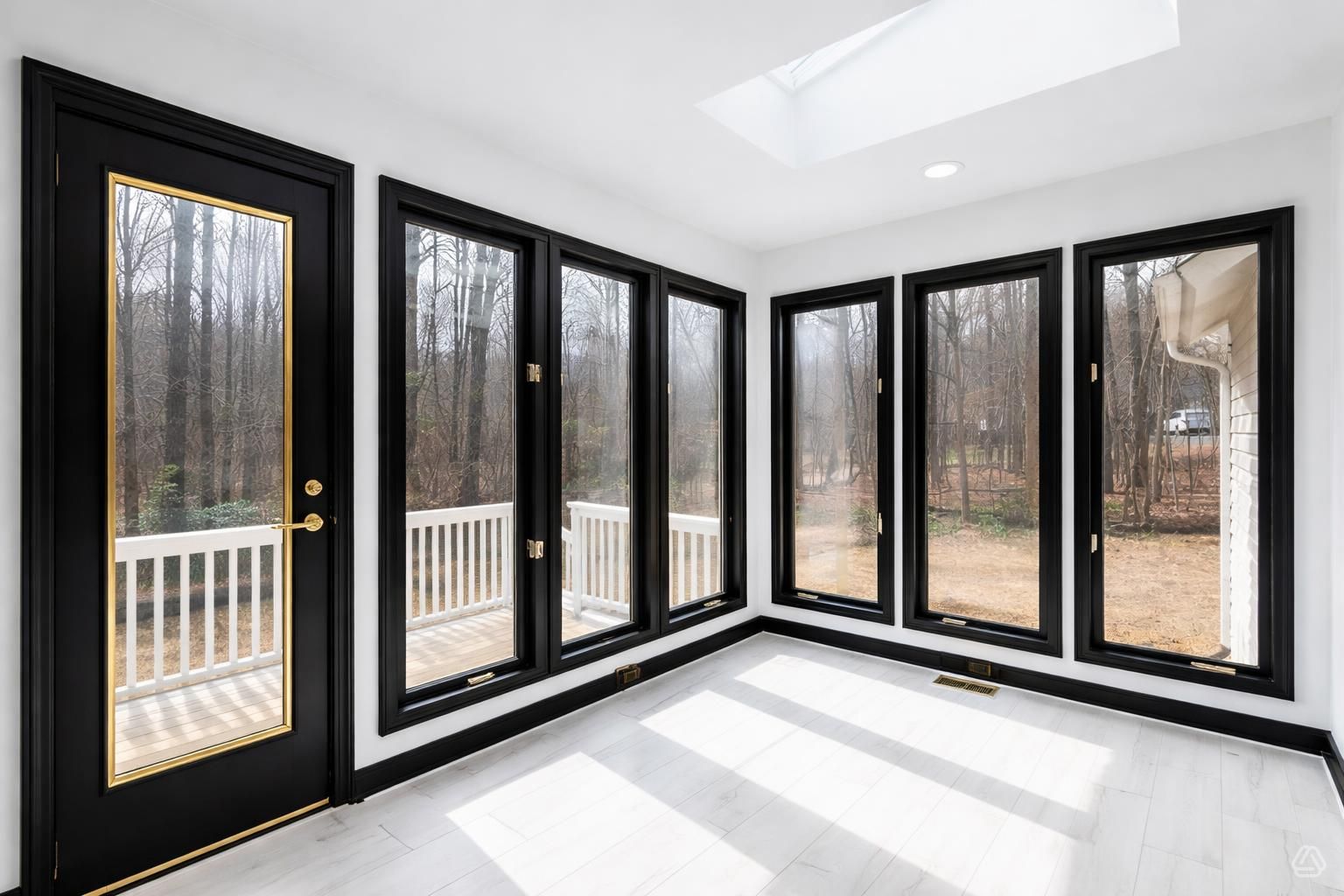
Security glass for homes can be useful at ground-floor windows, sidelites, patio areas, accessible windows, and other locations where breakage, impact safety, or unauthorized entry is a concern.
For many residential upgrades, homeowners compare laminated and tempered options. Tempered glass can be appropriate when safety glazing is required, while laminated glass may be preferred when retaining the pane after breakage is part of the goal.
A glass professional can also determine whether the existing sash or frame can accept the proposed glazing thickness and weight. In some situations, replacing only the glass may be practical; in others, the window assembly may need modification or replacement.
Security Glass for Commercial Windows
Security glass for commercial windows requires a broader assessment because storefronts, offices, retail properties, schools, healthcare buildings, and public facilities can have different risks and operating requirements.
Commercial planning should consider:
- Required resistance to forced entry or vandalism
- Door and window hardware
- Frame strength and anchorage
- Emergency egress and accessibility
- Glass size and structural loading
- Daylighting and visibility
- Insulating and solar-control needs
- Applicable building, fire, and safety requirements
Industry guidance emphasizes that frame selection and the complete glazing system are important parts of security design. A business should not assume that installing a thicker pane alone creates a tested security assembly. [1]
How Much Does Window Security Glass Cost?
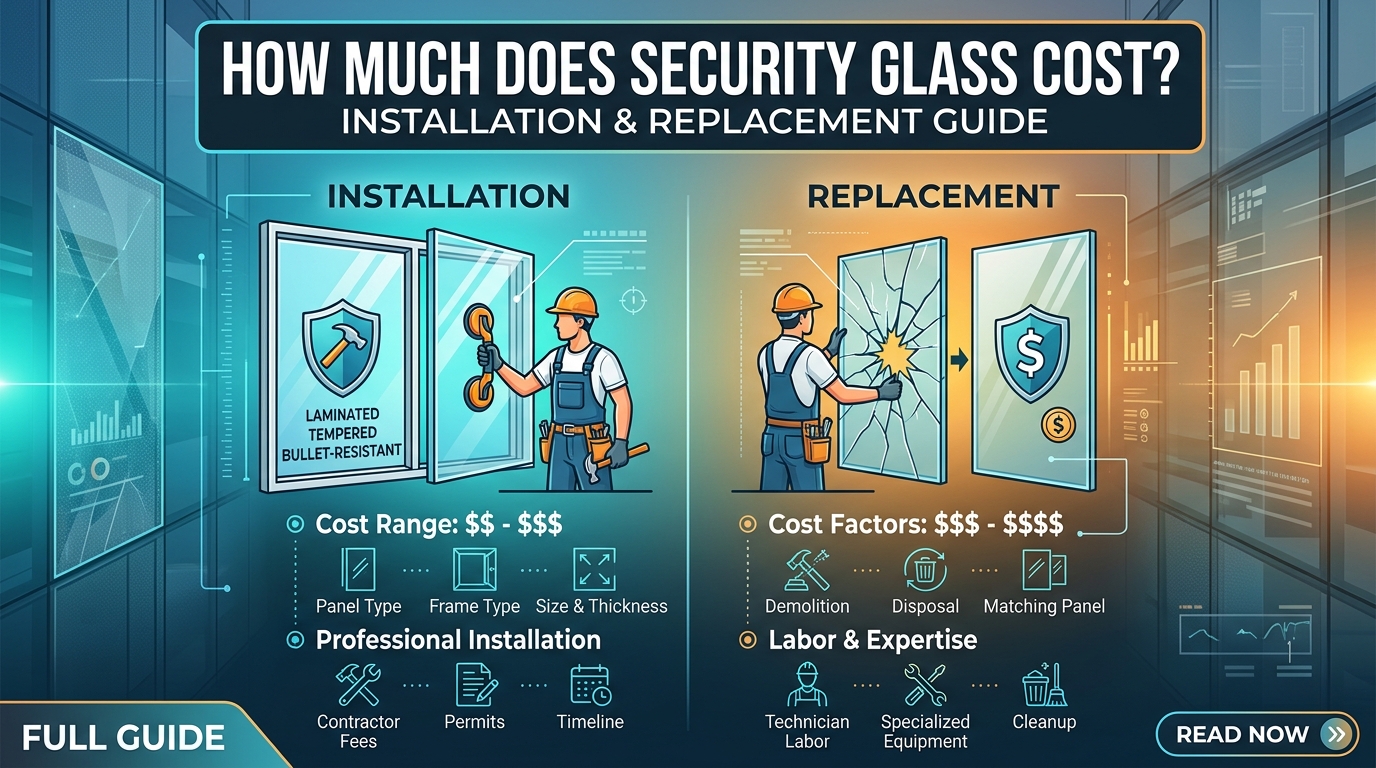
The cost of window security glass varies too widely to provide a reliable universal figure without project details. A professional estimate normally considers the complete scope instead of only the price of the glass pane.
Major cost factors include:
- Glass type, thickness, and pane size
- Laminated, insulating, or specialty construction
- Frame condition and compatibility
- Coatings, tints, or custom fabrication
- Site access and removal requirements
- Installation complexity
- Required testing or performance level
A residential laminated replacement differs greatly from a large storefront or specialty forced-entry-resistant assembly. An on-site assessment or accurate opening specifications provide the best basis for an estimate.
Repair, Replacement, or Full Window Upgrade?
Security glass that is cracked, chipped, delaminated, or otherwise damaged should be evaluated by a glass professional. Damage can affect both appearance and intended performance.
Glass-only replacement may be possible when the frame remains sound and compatible with the new glazing. A more complete replacement may make sense when the frame has deteriorated, the opening needs a different glazing thickness, or the existing system cannot provide the desired attachment.
For Portland properties, moisture management and weather-tight installation also matter. Portland property-maintenance requirements state that windows must remain in good repair, sound condition, and substantially weather-tight. [7]
Choosing a Security Glass Installer
A qualified glass company should define the performance goal before recommending a product. Ask:
- What problem is the glazing intended to solve?
- Is it laminated, tempered, filmed, or a composite?
- Does a specific test standard or rating apply?
- Is the existing frame suitable?
- Could the project affect egress or required safety glazing?
Avoid choosing solely by thickness or labels such as “unbreakable” or “bulletproof.” Security glazing is designed to resist specified threats, not to guarantee that an opening is impossible to defeat. ASTM notes that security-glazing test methods provide comparative evaluations rather than confirmation of absolute forced-entry prevention.
Maintenance Tips for Security Glazing
Inspect security glazing periodically for cracks, edge damage, delamination, failed seals, frame movement, or damaged film. Use cleaning products compatible with the glazing system, follow manufacturer guidance, and have damage evaluated professionally.
Do not cut, drill, remove, or modify installed safety or security glass yourself.
Frequently Asked Questions
1. Is laminated glass better than tempered glass for security?
Laminated glass generally retains broken fragments better, while tempered glass is primarily valued for safer breakage behavior.
2. Can security glass stop a burglar?
Security glazing can be designed to delay forced entry, but no glass should be treated as an absolute guarantee against intrusion.
3. Is tempered glass considered safety glass?
Properly tested and labeled tempered glass is commonly used as safety glazing in required applications.
4. Can laminated glass be used in double-pane windows?
Yes, laminated glass can be incorporated into properly designed insulating glass configurations.
5. Does security window film make regular glass security glass?
Not by itself; performance depends on the glass, attachment system, frame, installation, and intended threat.
6. Is impact resistant glass the same as security glass?
Not necessarily, because impact resistance can refer to different hazards and testing methods.
7. Do businesses need different security glass than homes?
Often, because commercial properties may have larger openings, different frames, higher traffic, and different security requirements.
8. Can broken security glass be repaired?
Cracked or compromised security glazing commonly requires professional evaluation and may require replacement rather than structural repair.
9. Does Portland require safety glass in every window?
No; Portland identifies specific hazardous locations where tested and labeled safety glazing is required, so each project should be evaluated individually.
Conclusion
Security glass for windows can improve safety, glass retention, and resistance to defined threats, but the right product depends on the entire opening and the protection goal. Laminated glass is often useful where retaining broken glass and delaying penetration matter, while tempered glass remains important for safety applications. More demanding properties may require tested security glazing systems designed around specific threats.
If you need professional residential, commercial, or custom glass repair, replacement, or installation in Portland, Oregon, The Glass People can help evaluate existing windows, discuss appropriate glazing options, and provide guidance based on the project. Readers can contact The Glass People for a professional assessment and project estimate tailored to their property rather than relying on a generic online price.
General Information Disclaimer:
This article is provided for general informational purposes only. Glass requirements, product suitability, project costs, installation methods, and applicable building or safety codes may vary by property and location.
References Used
- National Glass Association — Security Glazing, Glass Technical Paper FB43-14 (2020). Guidance on selecting security glazing based on threats, vulnerabilities, applications, framing, and performance needs.
- ASTM International — ASTM F1233-21, Standard Test Method for Security Glazing Materials and Systems. Used for information concerning defined security threats, testing, and limitations of forced-entry resistance claims.
- National Glass Association — Engineering Standards Manual. Used for industry definitions of laminated glass and safety glass.
- City of Portland — Adding Windows or Replacing Windows. Used for Portland-specific guidance regarding locations requiring tested and labeled safety glazing.
- National Glass Association — Design Considerations for Laminated Glazing Applications (2021). Used for laminated glazing construction and performance considerations.
- Federal Emergency Management Agency — Risk Management Series guidance on windows and glazing. Used for information regarding laminated glazing and professionally installed fragment-retention film.
- City of Portland Code 29.35.090 — Windows. Used for local window condition and weather-tightness requirements.