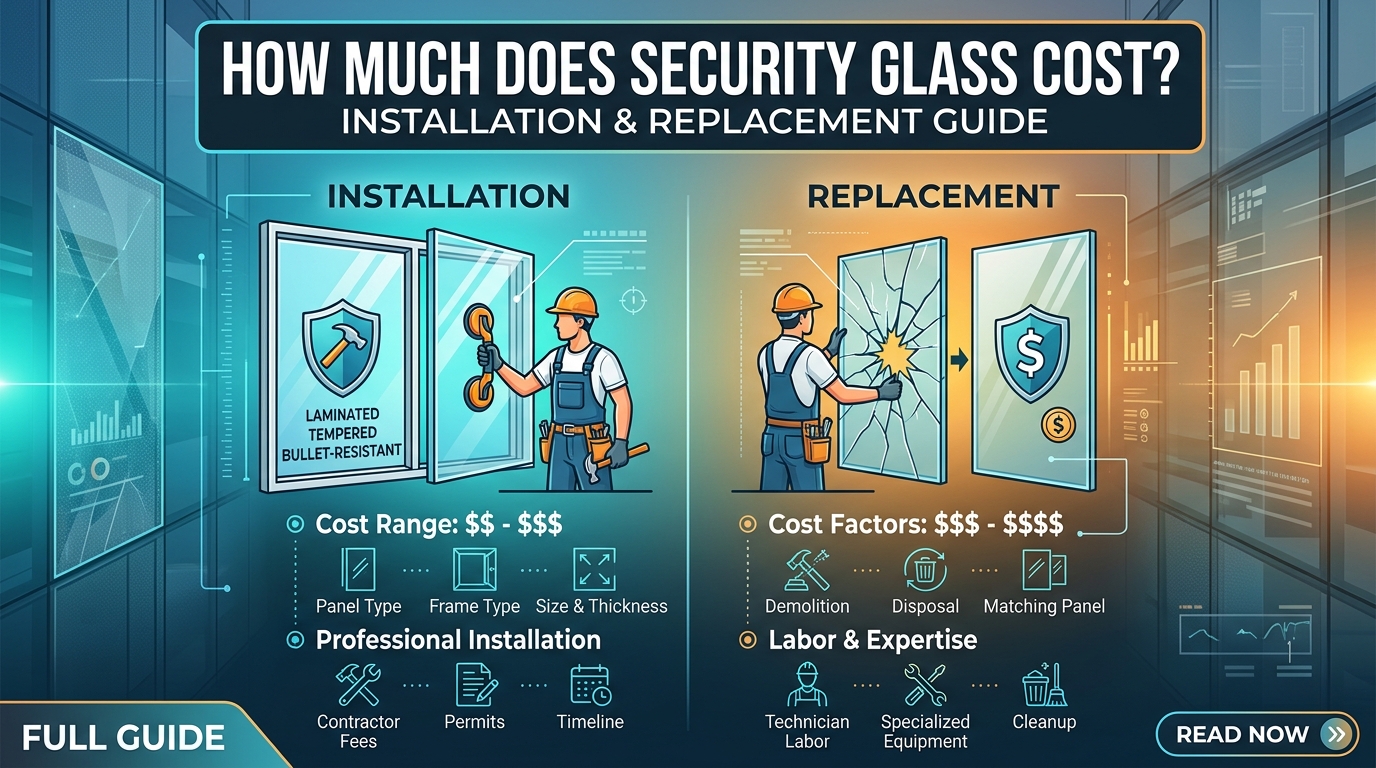
How Much Does Security Glass Cost? Installation and Replacement Guide
Security glass can improve safety, strengthen vulnerable openings, and provide additional protection for homes and commercial properties. However, security glass cost varies considerably because “security glass” can describe anything from standard laminated safety glass to engineered glazing designed for specific forced-entry, impact, ballistic, or blast-resistance requirements.
For homeowners, business owners, property managers, contractors, and developers in the Greater Portland area, understanding the difference between glass types, installation conditions, and performance requirements is essential before budgeting a project. This guide explains typical pricing benchmarks, the factors that affect costs, and when repair or replacement may be the better option.
What Is Security Glass?
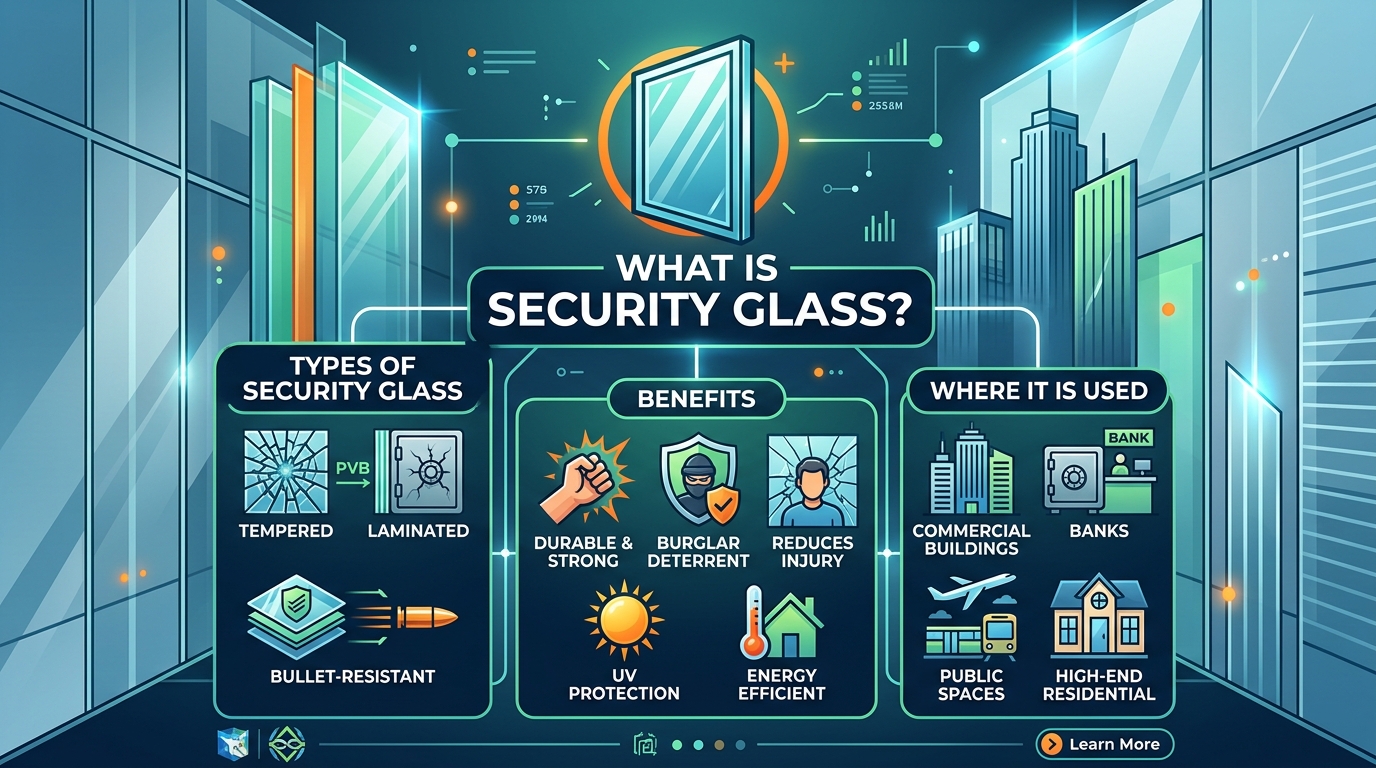
Security glass is a broad term for glazing designed to provide more protection than ordinary annealed glass. The exact construction depends on the level and type of protection required.
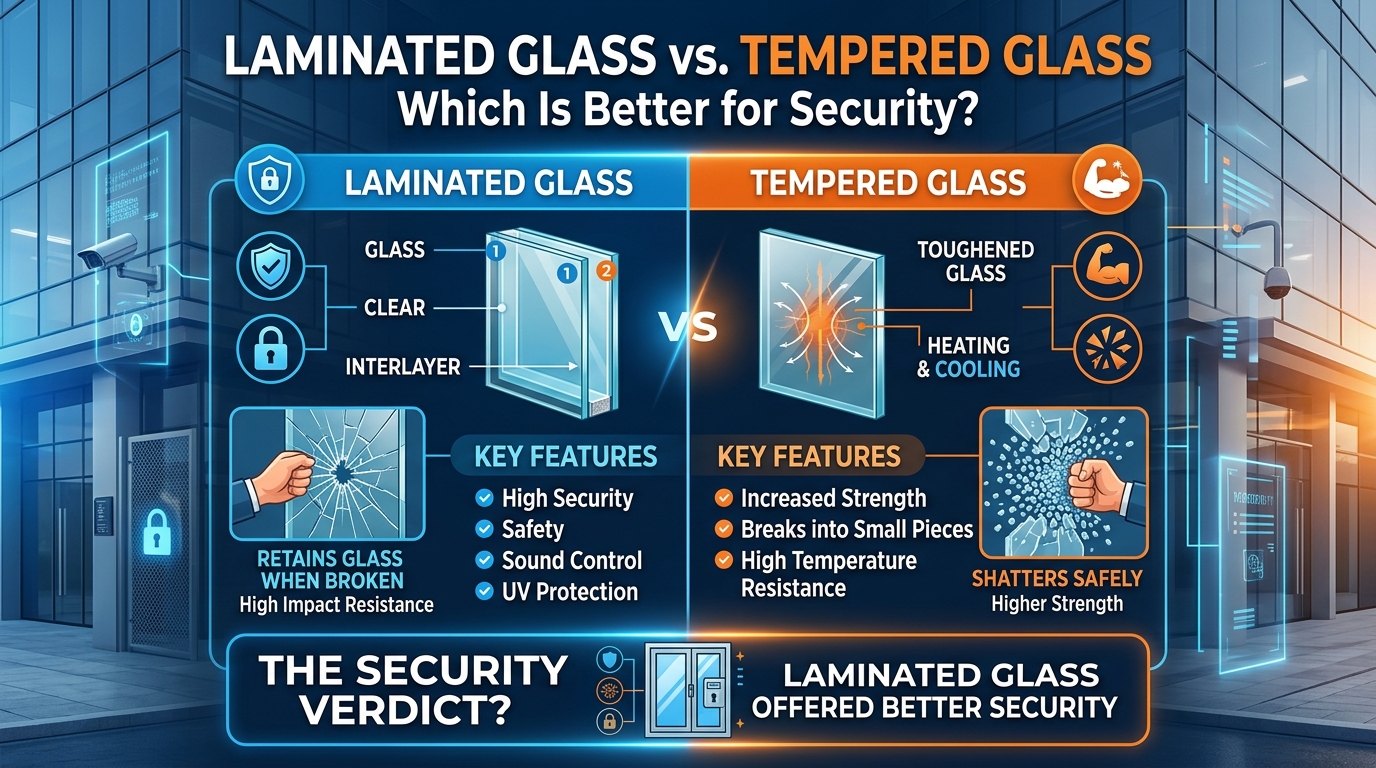
Laminated glass is one of the most common options. It uses multiple layers of glass bonded with an interlayer. If the glass breaks, the interlayer helps retain glass fragments and can help maintain a barrier in the opening. The National Glass Association notes that laminated glazing can be designed for applications involving physical attack, ballistic threats, blast resistance, windstorms, and other performance requirements.
Tempered glass is different. It is heat treated so that when it breaks, it generally fractures into relatively small pieces, reducing the risk of serious cutting injuries compared with ordinary annealed glass. Although tempered glass can qualify as safety glazing, tempered glass alone should not automatically be considered forced-entry security glazing.
This distinction is important when comparing safety glass cost with the price of higher-performance security systems.
How Much Does Security Glass Cost?
There is no universal security glass price because panel dimensions, thickness, construction, framing, fabrication, hardware, accessibility, and required performance can all change the final quote.
Current pricing data provides several useful planning benchmarks:
Glass or Project Type |
Typical Pricing Benchmark |
Important Context |
|
Laminated window glass |
About $10–$20 per sq. ft. |
General laminated-window benchmark |
|
Laminated glass replacement |
About $300–$600 per window nationally |
Actual window size and configuration affect price |
|
Laminated glass replacement in Portland |
About $320–$635 per window |
Current Portland-area planning range |
|
Tempered glass replacement in Portland |
About $215–$635 per window |
Safety glass rather than automatically security-rated glazing |
|
Impact window systems |
About $40–$55 per sq. ft. |
Specialized impact-resistant window systems |
Angi's 2026 data places laminated glass at up to about $20 per square foot in some window applications and approximately $300 to $600 per replacement window nationally. Its Portland-specific data currently places laminated replacement glass at roughly $320 to $635 per window and tempered glass at roughly $215 to $635 per window.
Specialized impact-window systems can cost approximately $40 to $55 per square foot, but that figure should not be treated as the standard security glass cost per square foot. Impact-resistant, forced-entry-resistant, ballistic, and blast-resistant systems have different constructions and testing requirements.
For a true security glazing project, a site-specific estimate is more useful than applying a generic square-foot rate.
What Affects Security Glass Cost?
Several factors determine what a property owner ultimately pays.
1. Type and Performance Level
Basic laminated glass and engineered security glazing are not interchangeable.
A laminated product intended primarily to retain fragments after breakage can have a very different specification from glazing designed to resist repeated forced entry or another defined threat. The National Glass Association emphasizes that laminated constructions can include different combinations of glass, interlayers, resins, and plastic glazing materials depending on the intended performance.
Higher performance requirements generally mean a more complex glazing assembly and potentially a higher project cost.
2. Glass Thickness and Construction
Increasing thickness usually increases material weight and fabrication requirements. Laminated security glass may also use multiple glass plies or thicker interlayers.
Therefore, laminated glass cost cannot be determined accurately from the visible dimensions alone. The complete glass make-up matters.
3. Size and Shape
Larger glass panels require more material and can require additional handling during delivery and installation.
Unusual shapes, oversized panels, holes, notches, polished edges, or other custom fabrication can also increase the laminated glass price.
4. Existing Frame Condition
Security performance depends on more than the glass.
An installer may need to evaluate whether the existing frame, stops, glazing system, sealants, and surrounding construction are appropriate for the replacement glazing. Simply placing stronger glass into an unsuitable opening does not automatically create a complete security system.
5. Accessibility
Ground-level windows with straightforward access usually present a different installation challenge than large storefront panels, elevated glazing, restricted-access openings, or heavy custom glass.
Difficult access can increase labor, equipment, handling, and project-planning requirements.
6. Number of Panels
A single replacement and a multi-opening commercial project are priced differently. Larger jobs may involve additional measuring, fabrication coordination, equipment, staging, and installation planning.
Security Glass Installation Cost: What Is Included?
Security glass installation cost should be evaluated as more than the cost of the glass itself.
Depending on the project, a professional estimate may account for:
- Field measurements
- Glass specification and fabrication
- Removal and disposal of existing glass
- Delivery and handling
- Glazing materials
- Frame or hardware considerations
- Professional installation
- Site accessibility
- Required finishing or sealing
For specialized security glazing, the complete installed system is particularly important. The National Glass Association's security glazing guidance describes different constructions for burglary, forced-entry, blast, ballistic, and other applications, reinforcing why glass selection should follow the intended threat and system design rather than price alone.
Laminated Glass vs. Tempered Glass: Which Costs More?
The answer depends on the application, but laminated and tempered glass provide different benefits.
Laminated Glass
Laminated glass contains an interlayer that holds broken fragments together and helps the damaged glazing remain in the opening. That characteristic makes laminated constructions useful for many security glazing applications.
Laminated glass installation cost may increase as the number of layers, glass thickness, interlayer specification, panel size, and performance requirements increase.
Tempered Glass
Tempered glass is designed primarily around increased strength and safer breakage characteristics. Once fractured, however, much or all of the lite can fall from the opening.
For that reason, choosing between laminated and tempered glass should be based on the property's needs rather than simply comparing safety glass cost.
In some installations, different glazing technologies may also be combined as part of an engineered assembly.
When Should Security Glass Be Replaced?
A professional inspection may be appropriate when you notice:
- Cracks, chips, or impact damage affecting the panel.
- Delamination, cloudiness, bubbling, or deterioration within laminated glass.
- Damaged frames or glazing components surrounding the glass.
- Failed insulated glazing seals in units that combine security and insulating features.
- A change in the property's security requirements.
- Existing glazing that no longer matches the intended application.
Damaged security glazing should not be treated as an ordinary DIY glass project. Large, broken, laminated, or heavy panels require appropriate equipment and handling procedures.
Security Glass Replacement Cost vs. Full Window Replacement
Security glass replacement cost depends partly on whether the existing frame can remain in service.
If the frame and surrounding components are suitable, replacing the glazing alone may be possible. If the frame is damaged, deteriorated, incorrectly configured, or incompatible with the intended security system, a more extensive replacement may be needed.
For comparison, current Portland pricing data lists laminated window-glass replacement at approximately $320 to $635 per window, although the actual price can move outside that range depending on dimensions and project conditions.
A professional assessment can determine whether glass-only replacement or a larger window or storefront system replacement makes more sense.
How to Get an Accurate Security Glass Estimate
The most useful estimate starts with clearly defining the project rather than asking only for a square-foot price.
Be prepared to provide:
- Approximate opening dimensions
- Number of panels
- Residential or commercial application
- Photos of the existing opening
- Current glass type, if known
- Frame condition
- Desired security objective
- Accessibility information
- Any custom glass requirements
If the property requires a particular safety, security, or building-code performance level, discuss that requirement with the appropriate glass professional, designer, contractor, or authority before selecting a product.
Federal safety requirements apply to architectural glazing in certain products, including doors, shower and bathtub enclosures, and sliding glass doors. Project-specific local requirements may also apply depending on the location and application.
FAQs About Security Glass Cost
1. What is the average security glass cost?
There is no single average because standard laminated glass and engineered security systems have substantially different specifications.
2. How much does security glass cost per square foot?
Basic laminated window glass may be around $10–$20 per square foot in some applications, while specialized systems can cost considerably more.
3. How much does laminated glass cost?
Current national replacement estimates commonly place laminated window glass around $300–$600 per window.
4. Is laminated glass more expensive than regular glass?
It generally costs more because its construction includes multiple glass layers and an interlayer.
5. Is tempered glass the same as security glass?
No; tempered glass is safety glazing with specific breakage characteristics and is not automatically forced-entry-resistant security glazing.
6. Can existing window glass be upgraded to laminated glass?
Sometimes, but the frame, glazing system, dimensions, weight, and intended performance must first be evaluated.
7. What affects laminated glass installation cost?
Thickness, panel size, fabrication, interlayer specification, frame condition, accessibility, labor, and project complexity can all affect the cost.
8. Is replacing only the glass cheaper than replacing the whole window?
It can be when the existing frame remains suitable, but the condition and compatibility of the complete opening must be assessed.
9. Do I need a professional estimate for security glazing?
Yes, especially when security performance, custom fabrication, large panels, damaged framing, or code considerations are involved.
Conclusion
Security glass cost depends on much more than square footage. Glass construction, performance requirements, thickness, panel size, frame compatibility, fabrication, accessibility, and installation conditions all influence the final price. Standard laminated glass can provide useful safety and retention characteristics, while more advanced security glazing may require a purpose-designed system for the particular threat or application.
For budgeting, published laminated-glass figures can provide a useful starting point, but they should not replace a project-specific assessment. A professional glass company can inspect the opening, identify suitable options, and prepare an estimate based on the actual property conditions.
Professional Glass Services in Portland, Oregon
Property owners who need professional residential, commercial, or custom glass repair, replacement, or installation services can contact The Glass People for expert guidance and a project estimate.
The Glass People serves the Greater Portland area with residential, commercial, and custom glass services, including glass repair, replacement, and installation. Their current service information lists Portland, Hillsboro, Beaverton, Tigard, Gresham, Lake Oswego, Tualatin, Bethany, and surrounding communities among the areas they serve.
A project-specific assessment can help determine which glass construction is appropriate and what the actual installation or replacement will involve.
General Information Disclaimer
This article is provided for general informational purposes only. Glass requirements, product suitability, project costs, installation methods, and applicable building or safety codes may vary by property and location.
References Used
- National Glass Association — “Design Considerations for Laminated Glazing Applications,” Glass Technical Paper FB04-03 (2021).
- National Glass Association — “Security Glazing,” Glass Technical Paper FB43-14 (2020).
- National Glass Association — “Recommended Applications for Heat-Treated Glass,” FB45-14 (2019).
- National Glass Association — “Emergency Egress Through Laminated Glazing Materials,” FB05-04 (2023).
- U.S. Consumer Product Safety Commission — Architectural Glazing Materials, 16 CFR Part 1201 and related safety-standard guidance.
- Angi — “2026 Window Glass Replacement Cost.”
- Angi — “8 Types of Window Glass and Their Features,” updated 2026.
- Angi — “Window Glass Replacement Cost in Portland, OR,” 2026.
- Angi — “What Are Impact Windows?” updated 2026.
- The Glass People — Current residential, commercial, custom glass, service-area, and estimate information.